female pattern Hair Loss | Hair Restoration
Table of Contents
For some women, the first sign may simply be a widening hair parting or being able to see more of the scalp under bright lighting. Understanding why this happens — and recognising the signs early — can make a significant difference when considering treatment for early-intervention.
1. Female Pattern Hair Loss Looks Different from Male Pattern Hair Loss
Female Pattern Hair Loss generally presents differently from its male counterpart.
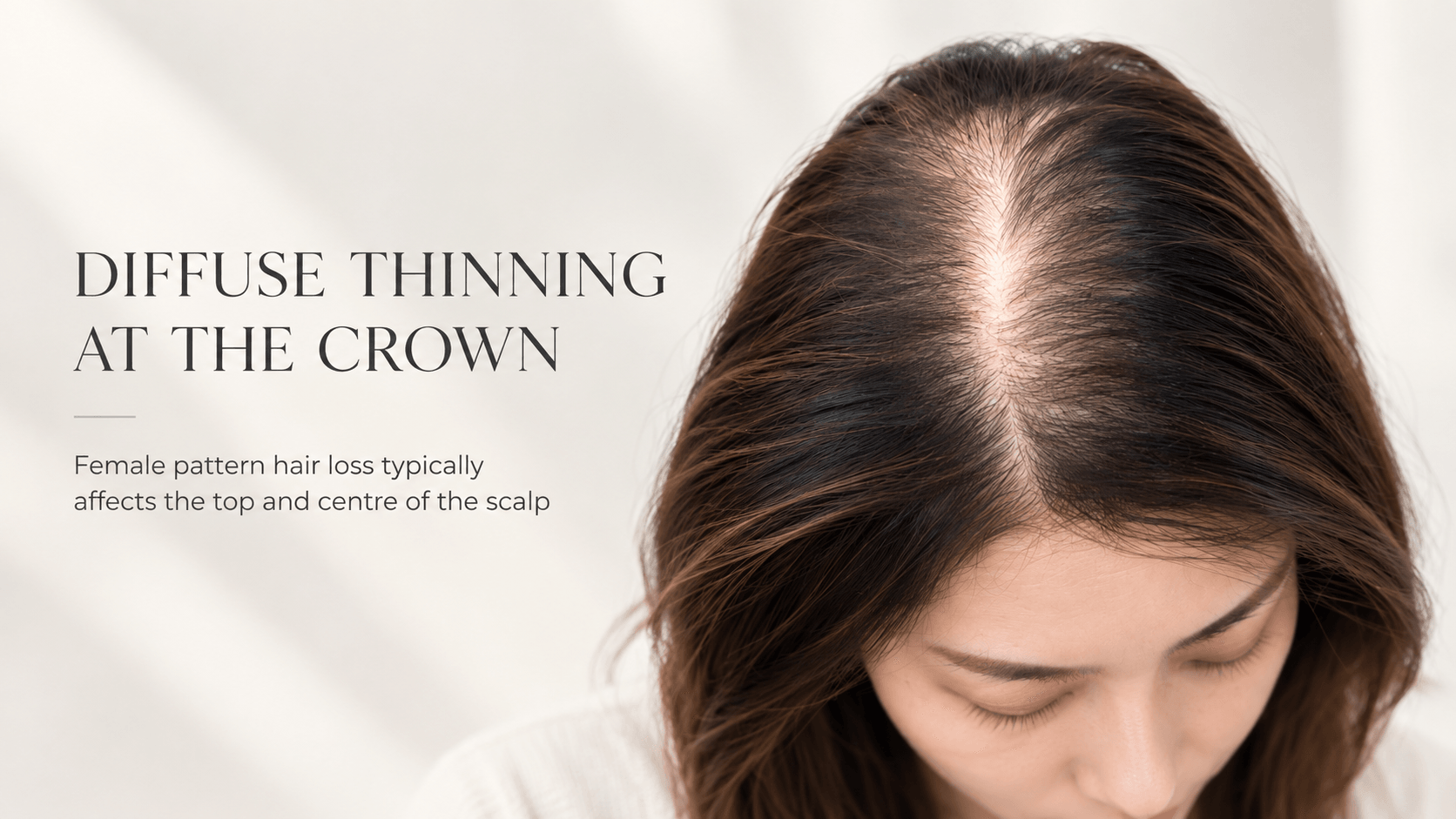
Rather than developing a receding hairline, women tend to experience diffuse thinning across the top of the scalp, particularly around the central parting and crown. The frontal hairline is often preserved.
One of the earliest signs is a parting that gradually appears wider. Some women may also notice that their ponytail feels thinner, their scalp becomes increasingly visible, or their hair no longer has the volume it once did.
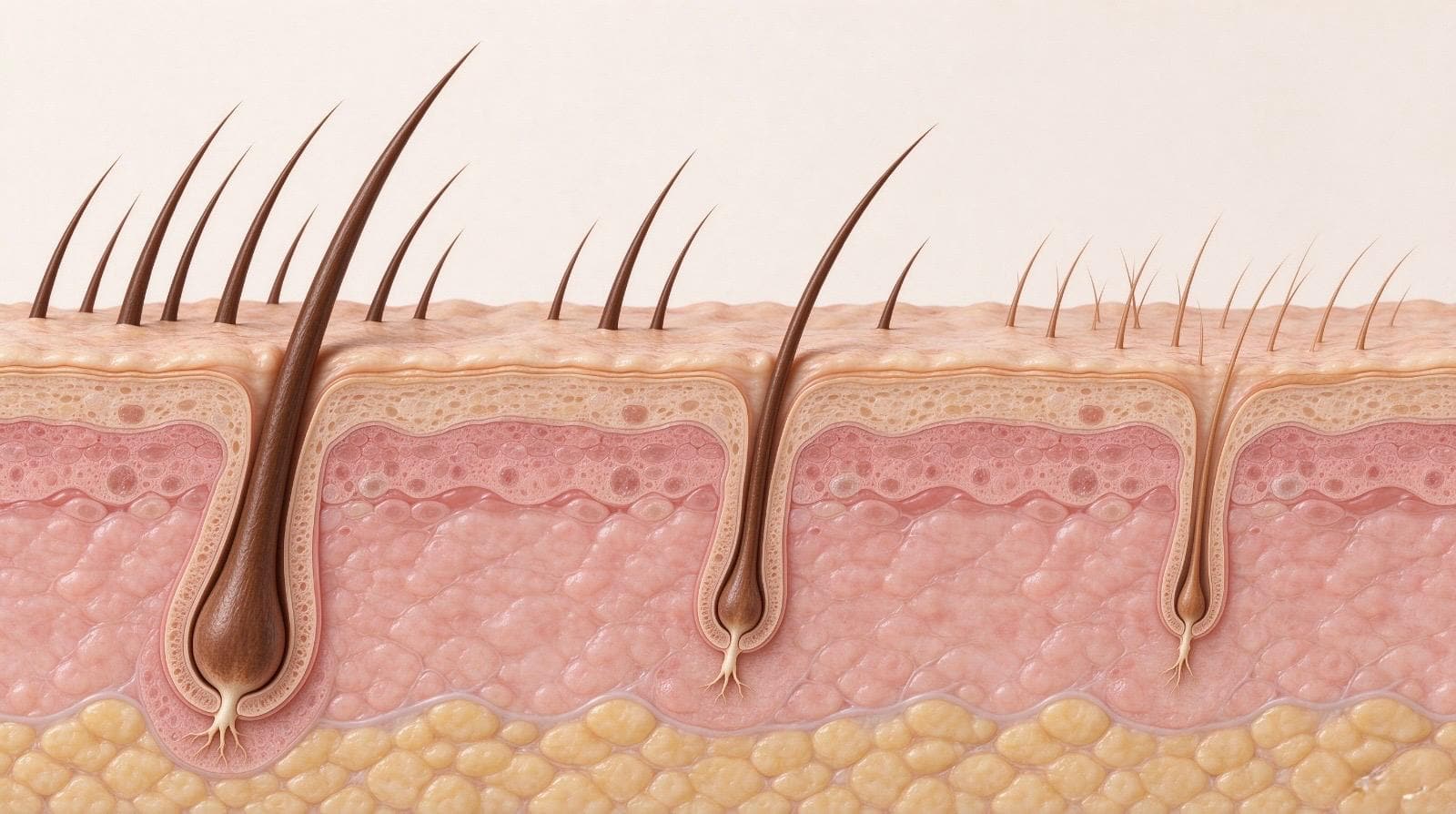
This occurs because affected hair follicles undergo a process known as miniaturisation. Over time, the follicles produce progressively finer and shorter strands, resulting in an overall reduction in hair density.
2. Genetics and Hormones Can Both Play a Role
Like Male Pattern Hair Loss, genetics can influence a woman's susceptibility to Female Pattern Hair Loss. However, the hormonal relationship in women is more complex.
FPHL can become more noticeable during periods of hormonal change, particularly around menopause. Some women may also experience hair changes associated with conditions that affect androgen levels.
Importantly, having Female Pattern Hair Loss does not necessarily mean that a woman has abnormally high levels of male hormones. Many women diagnosed with FPHL have normal androgen levels.
“Female Pattern Hair Loss is not simply a cosmetic problem or a sign that you are using the wrong shampoo or hair care products. There are biological processes occurring within the body, which is why understanding the underlying cause of the thinning is important,” said Dr Donald Ng, Hair Restoration Physician at Alaxis Aesthetics Clinic.
3. Not All Hair Shedding Is Female Pattern Hair Loss
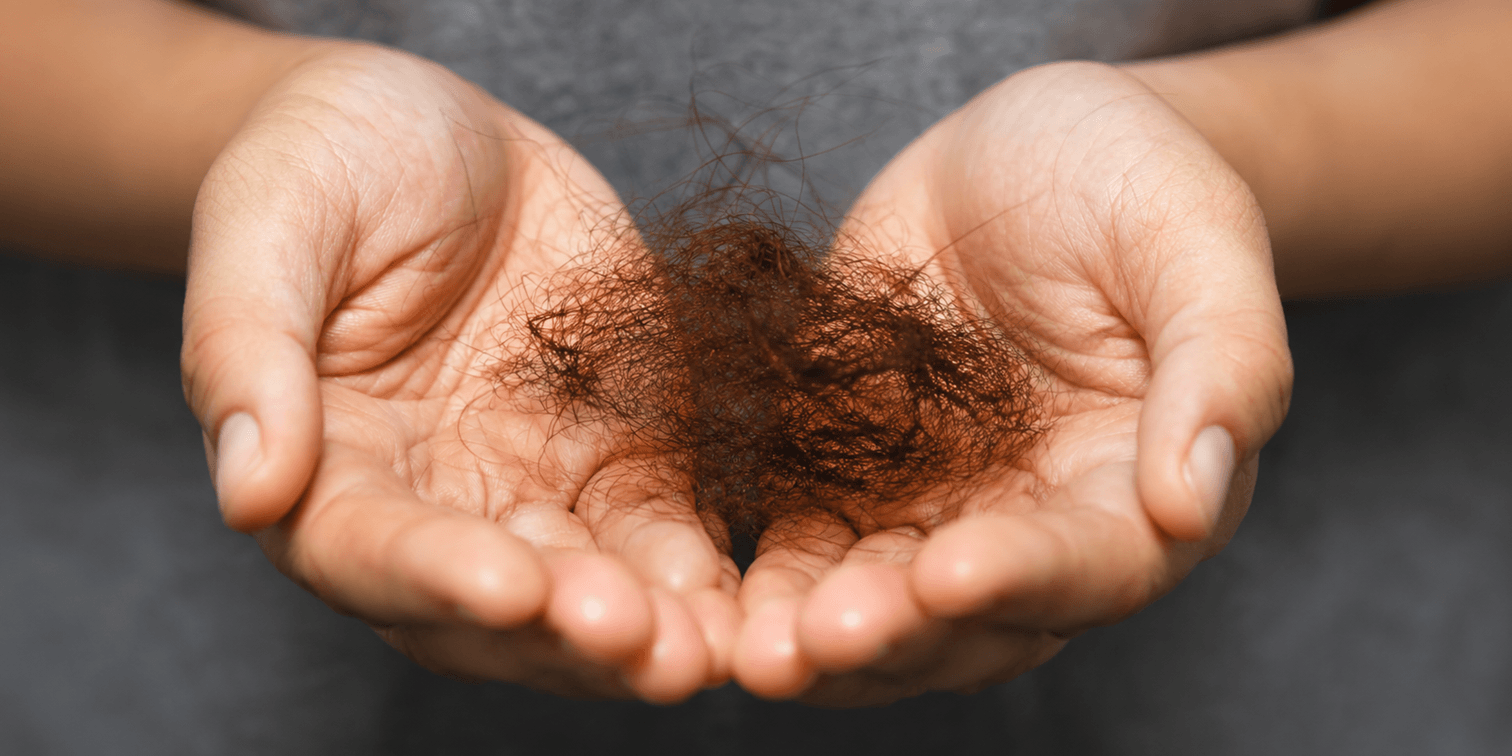
Finding more hair than usual on your pillow, in the shower or on your hairbrush does not automatically mean you have FPHL.
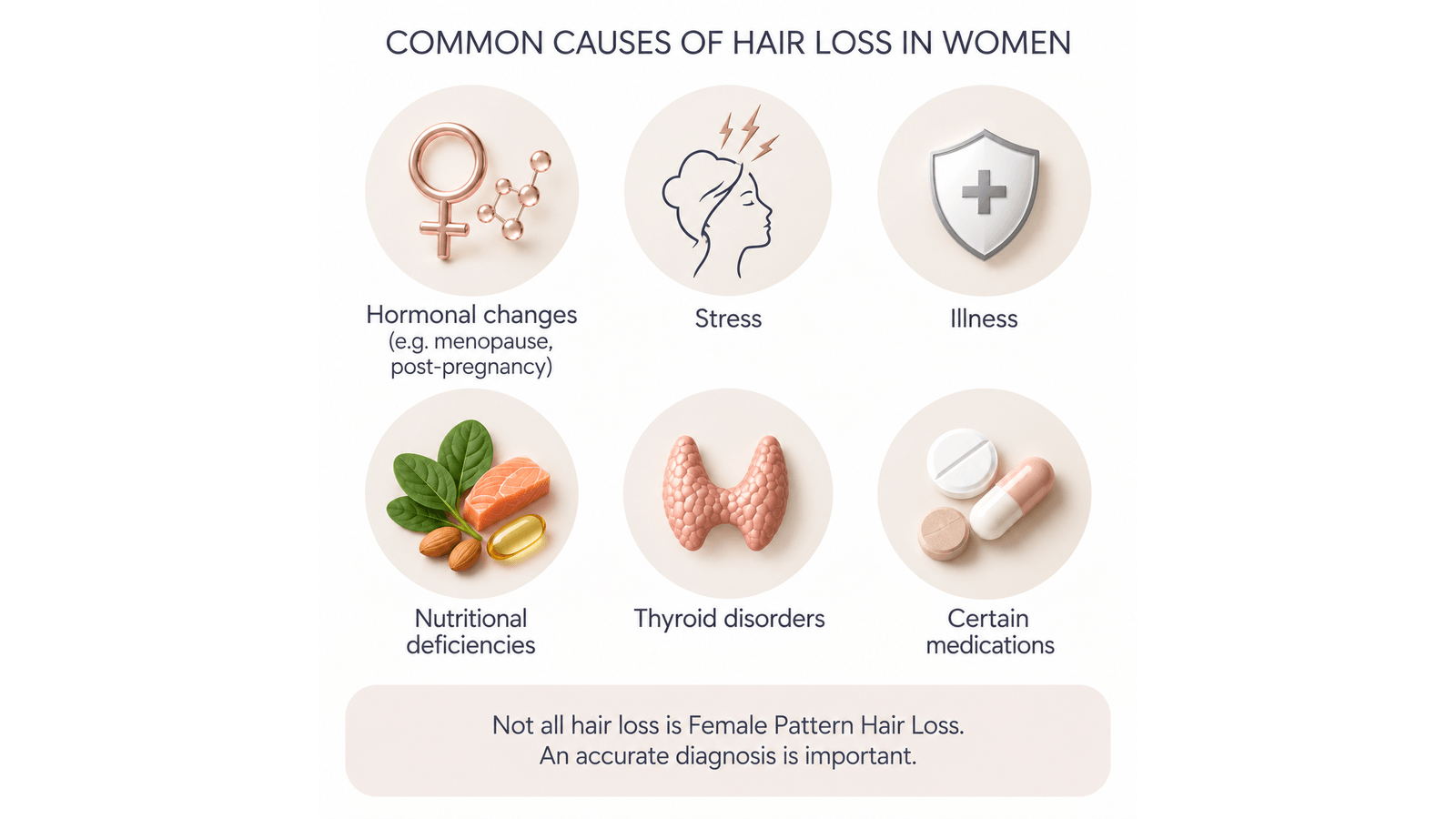
Women can experience increased hair shedding for many reasons, including significant stress, illness, rapid weight loss, nutritional deficiencies, thyroid disorders, certain medications and hormonal changes after pregnancy.
One condition commonly confused with Female Pattern Hair Loss is telogen effluvium, where a larger-than-normal number of hairs enter the resting and shedding phase of the hair cycle.
It is also possible for a woman to experience more than one form of hair loss at the same time.
This is why obtaining an accurate diagnosis is important before deciding on treatment. A medical assessment can help distinguish progressive follicular miniaturisation from temporary shedding or other underlying conditions. Therefore, seeking professional guidance from a qualified physician ensures you receive the most accurate diagnosis.
4. Starting Treatment Early May Help Preserve Existing Hair
Women sometimes wait until their thinning becomes very noticeable before seeking help. However, Female Pattern Hair Loss is progressive, and treatment is generally more useful while there are still active, miniaturised hair follicles that can potentially be supported.
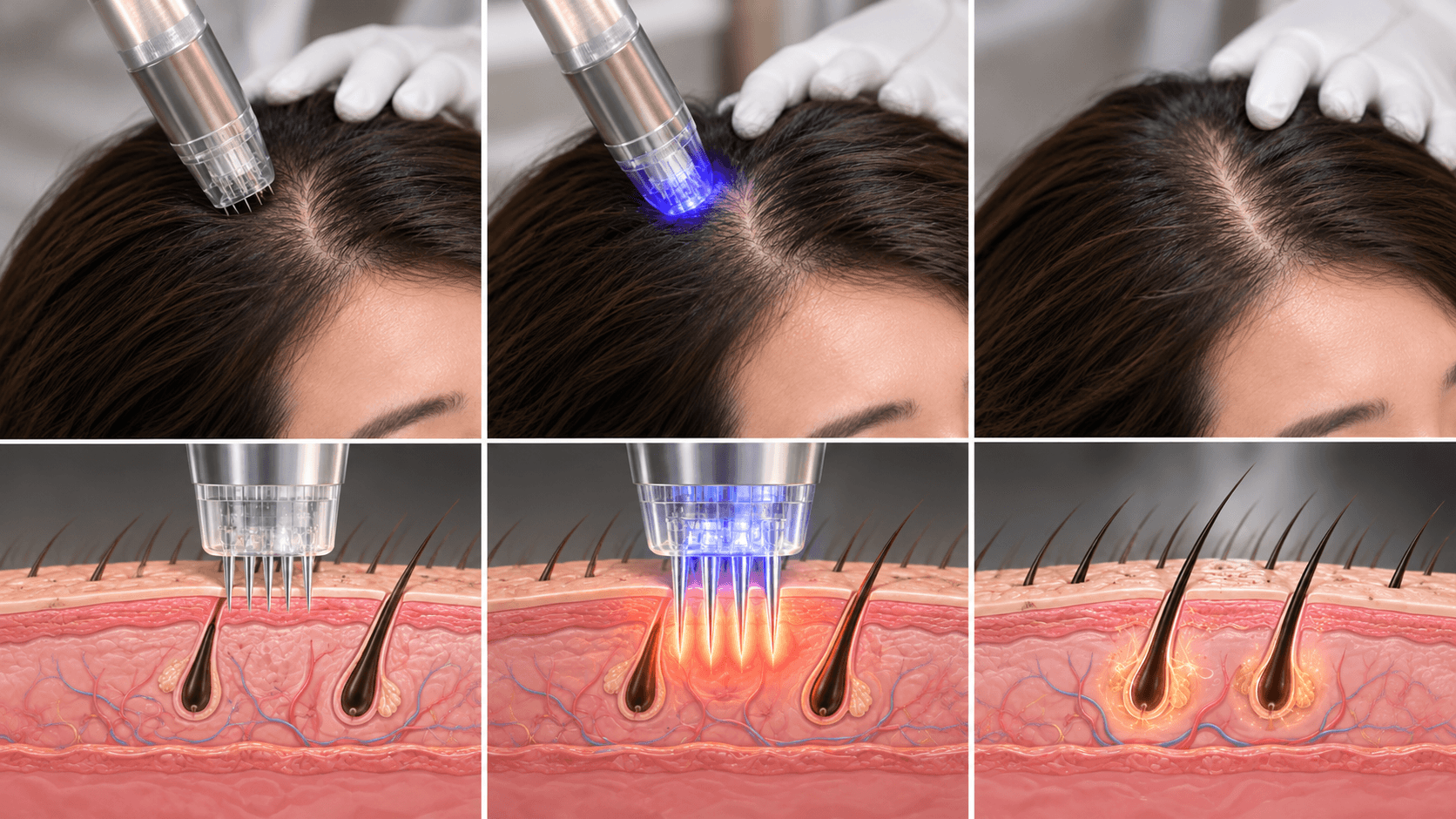
Depending on the individual, treatment options may include medications such as Minoxidil, prescription medication for appropriate patients, low-level laser therapy or Radiofrequency (RF) Microneedling for the scalp. RF Microneedling combines controlled microneedling with Radiofrequency energy. The microneedles create controlled micro-injuries within the scalp while simultaneously delivering RF energy into the tissue.
This is designed to trigger the body's natural wound-healing response and support the local scalp environment surrounding existing hair follicles.
RF Microneedling is an appropriate early-intervention treatment for women experiencing progressive hair thinning. However, as with other non-surgical hair treatments, it should not be regarded as a guaranteed way of regrowing lost hair.
5. Hair Transplantation Is an Effective Option
For women with established hair loss, Follicular Unit Extraction (FUE) Hair Transplantation may be considered.
During FUE, individual follicular units are harvested from a suitable donor area, usually at the back of the scalp, before being carefully transplanted into areas where greater hair density is required.
However, assessing donor hair is particularly important in women. Because Female Pattern Hair Loss can sometimes be diffuse, thinning may also affect areas that would ordinarily be considered donor zones.
A hair transplant therefore should not be viewed as an automatic solution for every woman experiencing thinning hair. The stability of the hair loss, quality and density of the donor area, age, medical history and expectations all need to be considered.
For suitable candidates, transplantation can help restore density to targeted areas. For women with earlier-stage thinning who are not ready for a hair transplant, treatments aimed at supporting their existing follicles — including RF Microneedling — may be considered instead.
Ultimately, the most important step is determining why your hair is thinning.
Female Pattern Hair Loss tends to progress gradually, which means the early signs can be easy to overlook. If your parting is becoming wider, your ponytail feels noticeably thinner or you are seeing progressively more scalp, consider having your hair and scalp assessed rather than waiting for the thinning to become advanced.
The earlier the cause is identified, the more options there may be to preserve the hair you already have.
FAQs
What are the early signs of Female Pattern Hair Loss?
The early signs of Female Pattern Hair Loss (FPHL) include a widening hair parting, reduced hair volume, a thinner ponytail and increased scalp visibility around the top and crown. The condition usually develops gradually, and the frontal hairline is often preserved.
What causes Female Pattern Hair Loss?
Female Pattern Hair Loss is influenced by genetics and biological factors affecting hair follicles. Hormonal changes, particularly around menopause, may make thinning more noticeable. However, many women with FPHL have normal androgen levels.
Can Female Pattern Hair Loss be reversed?
Female Pattern Hair Loss is a progressive condition, but early treatment may help slow further thinning and preserve existing hair. Some women may experience improvements in hair density depending on the treatment used and their individual response. Results vary, so early assessment is important.
What treatments are available for Female Pattern Hair Loss?
Treatment options may include topical Minoxidil, prescription medications for suitable patients, low-level laser therapy and selected scalp treatments such as radiofrequency (RF) microneedling. The most appropriate option depends on the cause and severity of hair loss and should be determined following a medical assessment.
Is RF Microneedling suitable for Female Pattern Hair Loss?
RF microneedling combines controlled microneedling with radiofrequency energy delivered into the skin. It may be considered in selected cases as part of a hair and scalp treatment plan. However, evidence for its effectiveness in treating Female Pattern Hair Loss remains limited compared with established treatments, and it should not be regarded as a guaranteed way to regrow hair. A qualified medical professional can advise whether it is appropriate.
Can women with Female Pattern Hair Loss undergo a hair transplant?
Yes, some women with Female Pattern Hair Loss may be suitable candidates for Follicular Unit Extraction (FUE) hair transplantation. Suitability depends on the stability and pattern of hair loss, donor hair density, medical history and expectations. A specialist assessment is essential, particularly because thinning can sometimes affect the potential donor area.