Table of Contents
Connection Between Oily Scalp and Hair Loss
Can an Oily Scalp Cause Hair Loss? An oily scalp is a common concern, but what does it really mean for your hair? Discover Dr Donald Ng's expert insights on scalp health and hair care.
Is an Oily Scalp More Prone to Hair Loss?
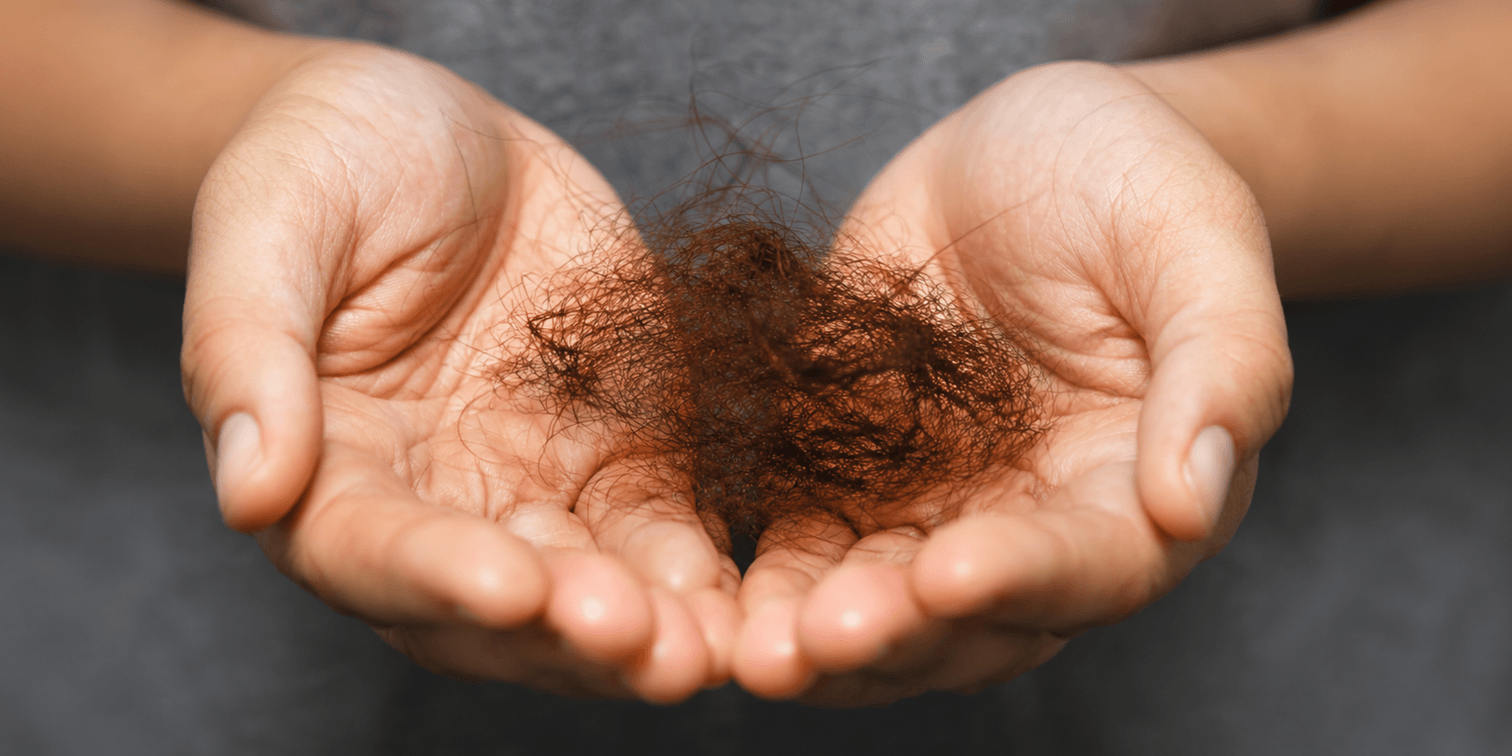
Excess oil, or sebum, on the scalp can contribute to scalp conditions that may affect hair health and, in some cases, worsen hair shedding. While an oily scalp does not directly cause permanent hair loss, it can create an environment that affects the health of the scalp and hair follicles.
In this article, Founder and Medical Director of Alaxis Aesthetics, Dr Donald Ng, who has more than 20 years of experience performing hair transplant procedures, explains the relationship between an oily scalp and hair loss, and shares practical tips on maintaining a healthier scalp.

How an Oily Scalp Can Contribute to Hair Loss
Sebum is the natural oil produced by the sebaceous glands. It plays an important role in moisturising and protecting both the scalp and hair.
However, when too much sebum is produced, it can combine with dead skin cells, sweat and environmental debris to accumulate around the scalp and hair follicles. This build-up may contribute to clogged follicular openings and create an environment that is more prone to inflammation.
Although excess oil does not physically prevent new hair from growing, persistent scalp inflammation may affect the normal hair growth cycle, potentially increasing hair shedding and weakening existing hair.

Inflammation and Scalp Conditions
An excessively oily scalp provides an environment in which certain yeasts, particularly Malassezia, can proliferate. In susceptible individuals, this may contribute to scalp conditions such as seborrhoeic dermatitis, which commonly presents with redness, itching, greasy flakes and irritation.
Chronic inflammation associated with these conditions can interfere with the normal hair growth cycle, leading to increased hair shedding. Fortunately, this type of hair loss is often temporary and may improve once the underlying scalp condition is appropriately treated.

A Less Healthy Scalp Environment
Excess oil, together with sweat, dead skin cells and environmental pollutants, can accumulate on the scalp if not cleansed regularly.
This build-up may make the scalp less healthy by increasing irritation and inflammation, while also affecting the condition of the hair shaft. As a result, hair may become weaker, appear flatter and be more susceptible to breakage.

Hormones and an Oily Scalp
Hormones play a significant role in regulating sebum production. In particular, androgen stimulate the sebaceous glands to produce more oil.
During puberty, or in conditions such as polycystic ovary syndrome (PCOS), elevated androgen levels may lead to increased scalp oiliness.
It is important to note that androgen also play a central role in androgenetic alopecia (male and female pattern hair loss). Therefore, an oily scalp and hair loss may occur together because they share similar hormonal influences, rather than because excess oil itself directly causes hair loss.
Tips for Managing an Oily Scalp
Keeping your scalp clean and healthy may help reduce inflammation and maintain a healthier environment for hair growth.
Some practical tips include:
- Wash your hair regularly. Depending on how oily your scalp is, daily washing or washing every other day with a suitable shampoo may help remove excess oil and build-up without excessively drying the scalp.
- Use conditioner correctly. Choose a lightweight conditioner and apply it only to the mid-lengths and ends of your hair rather than directly onto the scalp.
- Treat dandruff promptly. If you have persistent flakes, itching or redness, consider using a medicated anti-dandruff shampoo or seek medical advice.
- Avoid heavy styling products. Products containing heavy oils or waxes can further contribute to scalp build-up.
Hair Loss Treatment Options
If you continue to experience significant hair loss despite improving your scalp health and hygiene, it may be worthwhile consulting a doctor to determine the underlying cause.
Treatment options vary depending on the diagnosis and may include:
- Topical medications: Topical minoxidil is a commonly used treatment that can help stimulate hair growth and slow further hair loss in suitable patients.
- Oral medications: Finasteride is a prescription-only medication for men that reduces levels of dihydrotestosterone (DHT), a hormone involved in male pattern hair loss.
- Hair transplant: For suitable candidates with established thinning or baldness, hair transplants can restore hair by relocating healthy hair follicles from donor areas of the scalp.
- Low-level laser therapy (LLLT): Some laser devices may help stimulate hair follicles and improve hair density in selected individuals, although results vary.

The Bottom Line
An oily scalp does not directly cause permanent hair loss. However, excess sebum can contribute to scalp inflammation and conditions such as seborrhoeic dermatitis, which may increase hair shedding. Maintaining a clean scalp and seeking early treatment for persistent hair loss can help support healthier hair growth and improve long-term scalp health.
Dr Donald Ng
Medical Director
Alaxis Aesthetics Singapore
Dr Donald Ng has more than 20 years of experience performing hair transplant procedures and is dedicated to providing evidence-based treatments for hair restoration and scalp health.
FAQs
Can an oily scalp cause permanent hair loss?
An oily scalp does not directly cause permanent hair loss. However, excess sebum can create an unhealthy scalp environment, leading to inflammation and conditions such as seborrhoeic dermatitis, which may contribute to increased hair shedding. Maintaining a clean, balanced scalp with a proper scalp care routine and seeking professional advice for persistent hair loss can help promote healthier hair growth and support long-term scalp health.