Table of Contents

5 Things to Know About Male Pattern Hair Loss
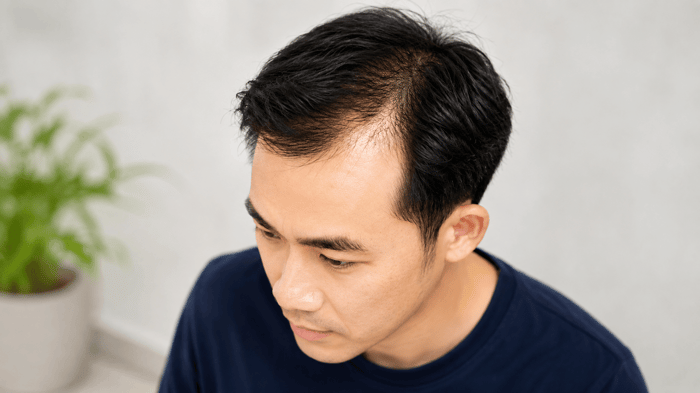
Male Pattern Hair Loss (MPHL), also known as androgenetic alopecia, is the most common cause of hair loss in men.
While many assume it is simply an inevitable part of ageing, the condition is actually driven by a combination of genetics and hormones. Understanding how it develops and the treatments available can help men take action before significant hair loss occurs.
1 It's Mostly in Your Genes
If your father or grandfather experienced hair loss, there's a higher chance that you may too. However, the inheritance pattern is more complex than many people realise.
Male Pattern Hair Loss is influenced by multiple genes inherited from both your mother's and father's side of the family. These genes determine how sensitive your hair follicles are to hormones that trigger hair thinning. This explains why two brothers can inherit different patterns or degrees of hair loss despite growing up in the same household.
Genetics determines your predisposition, but it doesn't necessarily dictate exactly when hair loss begins or how quickly it progresses. Some men notice thinning in their twenties, while others retain a full head of hair well into middle age.
2 Hormones Are the Main Trigger
The hormone most closely linked to Male Pattern Hair Loss is dihydrotestosterone (DHT), a by-product of testosterone.
DHT is an important hormone involved in male development, but in genetically susceptible individuals, it gradually shrinks hair follicles through a process known as miniaturisation.
Over time, affected follicles produce progressively finer, shorter hairs. Eventually, they stop producing visible hair altogether. This is why many men first notice a receding hairline or thinning at the crown before larger areas become affected.
3 Early Treatment Usually Delivers Better Results
One of the biggest misconceptions is that hair loss should only be treated once it becomes severe.
In reality, treatment is often most effective when started early, while the hair follicles are still alive. Once a follicle has completely stopped producing hair for a prolonged period, it cannot usually be revived with medication alone.
Depending on the individual's condition, treatment options may include:
- Prescription medications such as Finasteride that reduce the effects of DHT
- Topical medications that stimulate hair growth
- Regenerative scalp treatments
- Follicular Unit Hair Transplant
A consultation with an experienced hair restoration physician can help determine which treatment—or combination of treatments—is most appropriate based on the stage of hair loss.
4 Hair Transplant: Donating Your Own Hair Follicles
One of the most effective long-term solutions for advanced Male Pattern Hair Loss is a Follicular Unit Extraction (FUE) hair transplant.
During an FUE procedure, individual hair follicles are harvested from the donor area—typically the back and sides of the scalp, where hair is genetically resistant to DHT—and transplanted into thinning or bald areas.
Because these follicles retain their resistance to DHT even after transplantation, they continue to grow naturally in their new location.
Modern FUE techniques leave minimal scarring, allow for natural-looking hairlines, and offer permanent results when performed by an experienced hair restoration doctor.
5 Hair Loss Doesn't Have to Be Permanent
Not every man experiencing hair loss requires a transplant.
Many patients benefit from medical therapies that slow progression and preserve existing hair. In some cases, combining medical treatment with an FUE hair transplant produces the most natural and long-lasting outcome.
The key is obtaining an accurate diagnosis. Not all hair loss is Male Pattern Hair Loss.
Conditions such as alopecia areata, scalp inflammation, nutritional deficiencies, thyroid disorders and certain medications can also lead to increased hair shedding and require different treatments.
Early assessment allows these conditions to be identified and managed appropriately.
Dr Donald Ng
Alaxis Aesthetics Singapore
FAQs
What is Male Pattern Hair Loss?
Male Pattern Hair Loss (MPHL), also known as androgenetic alopecia, is the most common cause of hair loss in men. It is influenced by genetics and hormonal sensitivity, particularly the effects of dihydrotestosterone (DHT) on susceptible hair follicles.
Does Male Pattern Hair Loss run in families?
Yes. Male Pattern Hair Loss is influenced by multiple genes inherited from both the mother's and father's side of the family. However, genetics does not necessarily determine exactly when hair loss will begin or how quickly it will progress.
Can Male Pattern Hair Loss be treated?
Yes. Depending on the individual's condition, treatment options may include prescription or topical medications, regenerative scalp treatments and hair transplantation. Early assessment can help determine which approach is most suitable.
Is a hair transplant permanent?
Hair follicles harvested from the donor area during an FUE procedure are generally resistant to DHT and can continue growing after being transplanted to thinning or bald areas. However, the long-term outcome depends on factors including the individual's hair loss pattern, donor supply and overall treatment plan.
When should I seek help for hair loss?
Early assessment is recommended if you notice a receding hairline, thinning at the crown, increased hair shedding or progressive loss of hair density. An accurate diagnosis can help identify the underlying cause and determine the most appropriate treatment.